When a home or commercial property is damaged, repairing the building is often more complicated than simply replacing what appears to be broken.
The Gem State Group provides experienced construction, restoration, and reconstruction services for insured property losses. We work with property owners, adjusters, insurance companies, engineers, consultants, and other professionals involved in evaluating and restoring damaged buildings.
Our role is focused on the construction side of the loss — understanding the damage, determining the work required to properly restore the property, developing construction scopes and estimates, addressing applicable building requirements, and managing repairs and reconstruction through completion.
We understand how insurance-related construction projects move from initial damage assessment through estimating, documentation, permitting, construction, inspections, and final completion.
EXPERIENCED CONSTRUCTION • DOCUMENTED SCOPE • PROPER RESTORATION
Property damage can happen suddenly or develop over time. Regardless of the cause, properly restoring a building requires understanding both the visible damage and the conditions that may exist beyond what can immediately be seen.
The Gem State Group provides construction and restoration services for losses involving:
Fire can affect structural components, roofing, electrical and mechanical systems, finishes, insulation, and other building materials well beyond the area where the fire originated.
Plumbing failures, roof leaks, appliance failures, storms, and other water events can affect materials and building assemblies that may not be visible until damaged areas are properly evaluated.
Wind, hail, snow, ice, falling trees, and severe weather can damage roofing, siding, structural components, windows, exterior systems, and interior portions of a building.
Vehicles, equipment, falling objects, and other impacts can create structural and building-system damage that requires evaluation before repairs are undertaken.
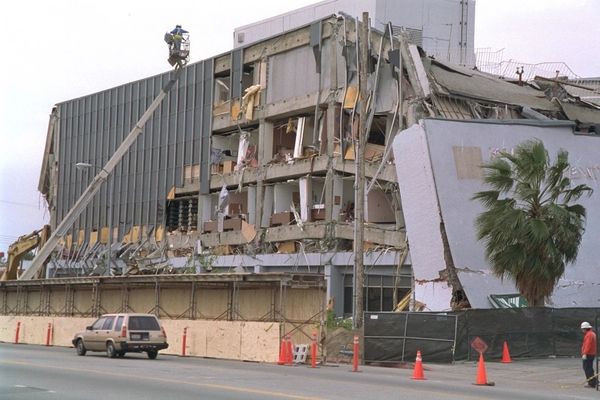
Damage to walls, roofs, framing, foundations, and other structural components may require engineering, temporary stabilization, permitting, and coordinated reconstruction.
Some losses involve multiple building systems, extensive damage, code requirements, engineering, specialty trades, or phased reconstruction that require experienced construction management.
The visible damage is often only the beginning of the construction evaluation. Proper restoration requires determining what was damaged, what must be repaired or replaced, and what is required to return the property to an appropriate completed condition.
Insurance-related construction requires coordination between the physical condition of the property, the work required to restore it, and the documentation necessary to clearly define that work.
The Gem State Group helps manage the construction process from initial evaluation through completed repairs.
We evaluate visible construction damage and identify areas where additional investigation may be necessary to understand the extent of the loss and the work required.
The required construction work is identified and organized into a defined scope so that damaged components, necessary repairs, and reconstruction requirements can be clearly understood.
Construction estimates are developed based on the identified scope, available information, project conditions, materials, labor, and other requirements associated with performing the work.
We can communicate and coordinate construction information with property owners, adjusters, insurance companies, engineers, consultants, and other parties involved in the project.
Our role remains focused on the construction work and the information necessary to define, price, and perform that work.
Repairs may require engineering, permits, inspections, or compliance with current building requirements. These requirements are evaluated and incorporated into the construction process as applicable.
Once the work is sufficiently defined and authorized to proceed, we coordinate the trades, materials, scheduling, inspections, and construction required to restore the property.
The work is carried through final construction, required inspections, project closeout, and completion of the defined restoration scope.
ASSESS • DOCUMENT • DEFINE • COORDINATE • RESTORE

Insurance restoration is not simply ordinary construction with an insurance company involved.
A damaged building may contain concealed conditions that cannot be fully understood until affected materials are removed and building assemblies are opened. What initially appears to be a localized repair can become significantly more involved once the actual conditions are exposed.
Restoration work may also involve requirements that were not part of the original construction. Current building codes, structural requirements, electrical and plumbing standards, energy requirements, fire and life-safety provisions, accessibility requirements, engineering, permitting, and inspections can all affect how damaged portions of a building must be repaired.
At the same time, the construction scope and associated costs may need to be clearly documented and communicated among the property owner, contractor, adjuster, insurance company, engineers, consultants, and other professionals involved in the loss.
This combination of damaged existing construction, concealed conditions, current building requirements, documentation, multiple parties, and reconstruction is what makes insurance restoration different from an ordinary remodeling project.
Experienced construction management helps bring those pieces together so the work can be properly evaluated, defined, coordinated, and completed.
THE GOAL IS NOT SIMPLY TO REPAIR WHAT IS VISIBLE — IT IS TO PROPERLY RESTORE THE DAMAGED PROPERTY.
Insurance-related construction often requires communication and coordination among parties who approach the project from very different perspectives.
The property owner is focused on restoring the property. The contractor is focused on determining and performing the construction required. Adjusters and insurance companies require information regarding the damage, scope, pricing, and work being performed. Engineers and other consultants may also become involved depending on the nature of the loss.
The Gem State Group has extensive experience working with insurance companies and adjusters on residential and commercial property restoration projects.
We understand the importance of developing clear construction scopes, preparing detailed estimates, documenting conditions, identifying applicable construction requirements, responding to questions regarding the proposed work, and providing the construction information necessary for the different parties to understand what is required.
When differences arise regarding construction scope, methods, quantities, materials, or pricing, we can provide additional construction information and documentation to explain the basis for the work we have proposed.
Our role remains focused on the construction and restoration of the property. We do not determine insurance coverage or provide insurance or legal advice.
WE KNOW CONSTRUCTION. WE UNDERSTAND THE INSURANCE RESTORATION PROCESS. AND WE KNOW HOW TO WORK WITH THE PEOPLE INVOLVED IN BOTH.
Restoring a damaged building does not always mean simply rebuilding it exactly as it existed before the loss.
Depending on the nature and extent of the work, repairs and reconstruction may be subject to current building codes, permitting requirements, engineering, inspections, manufacturer requirements, and other standards that affect how the work must be performed.
These requirements can involve structural systems, electrical and plumbing work, mechanical systems, roofing, insulation and energy requirements, fire and life-safety provisions, accessibility, and other portions of the building.
In some cases, the work necessary to properly complete a repair may extend beyond the component that was visibly damaged. Existing conditions, connections between building systems, required access, code compliance, and the practical requirements of performing the work can all affect the actual construction scope.
The Gem State Group evaluates these requirements as part of developing and performing the restoration work and coordinates with engineers, building officials, inspectors, design professionals, and other project participants when necessary.
Understanding these requirements early helps establish a more complete scope of work and reduces the likelihood that important construction requirements are overlooked.
PROPER RESTORATION MEANS ADDRESSING THE WORK REQUIRED — NOT SIMPLY THE DAMAGE THAT IS EASIEST TO SEE.
The decisions made early in a restoration project can affect the scope, cost, schedule, and quality of the work that follows.
If your home or commercial property has been damaged by fire, water, weather, impact, or another event, The Gem State Group can help evaluate the construction needs, develop the appropriate scope, and determine the path toward repair and reconstruction.
The Gem State Group | Idaho General Contractor | RCE-45088
THE GEM STATE GROUP OF COMPANIES